
Author: Victor Polyakov
-
AI-Assisted SCADA / MES Engineering and Operations: What Can Agents Do and How it Must Be Tested?
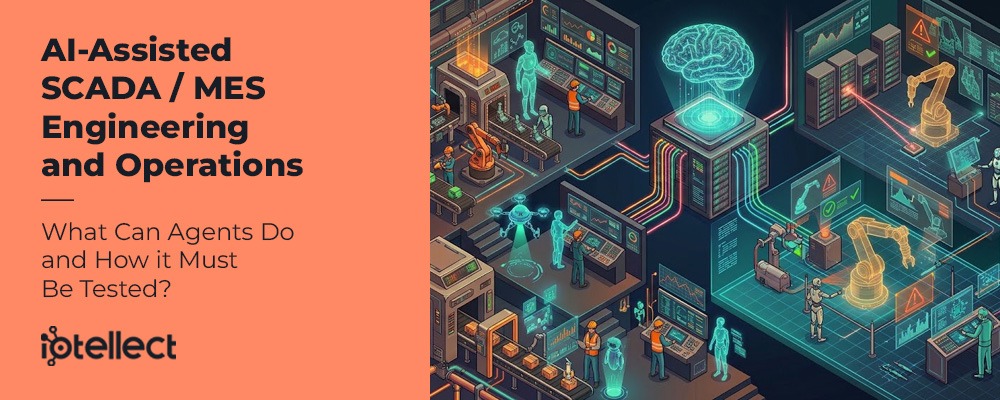
AI agents already participate in the work of building conventional software: examining requirements, proposing an implementation plan, editing code, running tools, and returning changes for review. An agent-led workflow can assign architecture, implementation, and testing to different agents, while people validate important decisions and supervise the result. As more of the implementation becomes automated, the…
Posted on
by
-
SCADA + MES Versus IIoT Platforms or SCADA + MES Inside IIoT Platforms: Trying to Predict the Market Shift
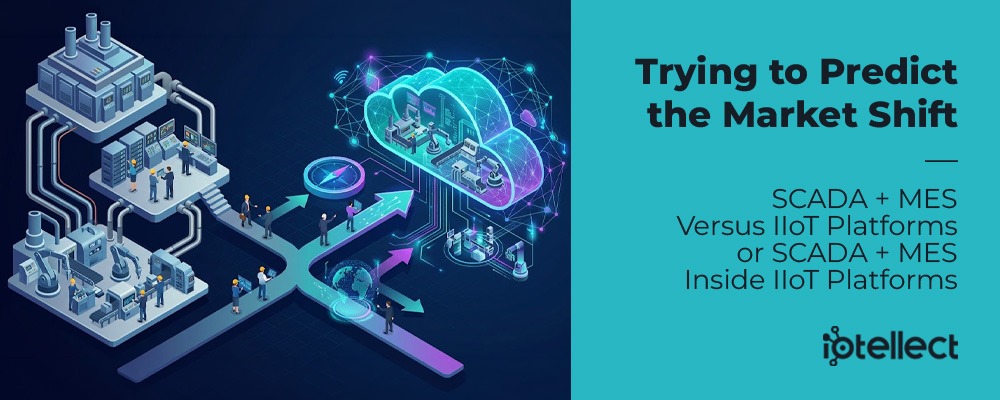
Why should an industrial enterprise need an IIoT platform alongside its SCADA, MES, and enterprise asset management systems? If those operational applications already contain the relevant data and are flexible enough to support new requirements, what responsibility remains for another general-purpose platform? My view is that this question will become increasingly difficult to answer. The…
Posted on
by
-
How to Convert Your SCADA/MES Team Into a Universal IoT/IIoT Superpower
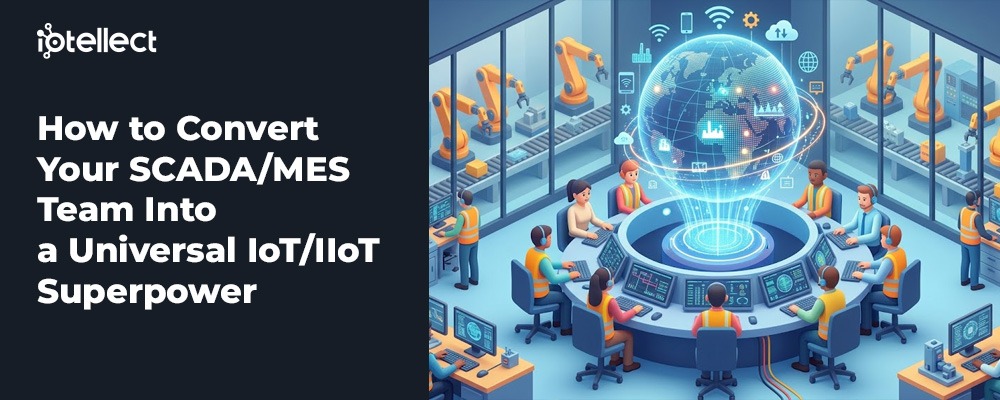
Your customer does not have a SCADA business. It has a manufacturing business, an agricultural business, a fuel-retail business, or something else that happens to need SCADA. The boundaries between SCADA, MES, building automation, fleet management, and industrial IoT matter to software vendors and engineering teams. They matter considerably less to an enterprise trying to…
Posted on
by
-
Beyond Browser HMI: Context-Aware AI Engineering for SCADA and IoT
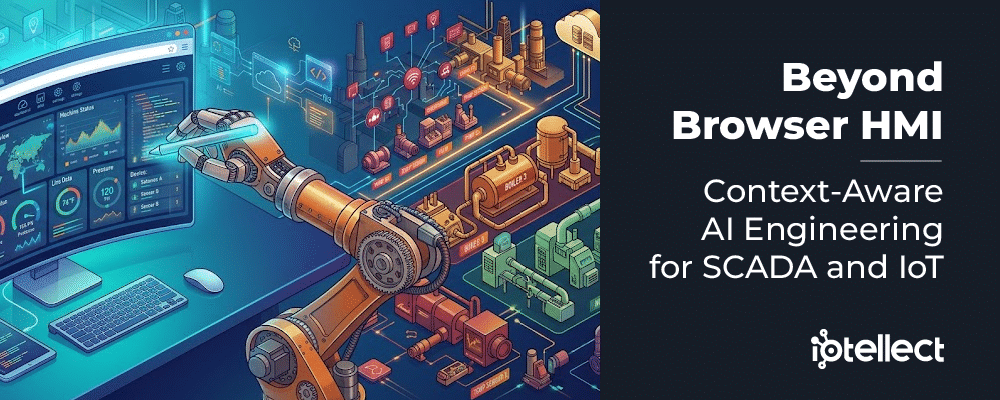
An experienced system integrator could reasonably ask why browser-based engineering should influence a platform decision. Operators already access their applications through a browser, while engineers use a desktop designer. Installing that designer is not particularly difficult, and a capable cross-platform development environment is not suddenly inadequate because it runs outside a browser. For years, “nothing…
Posted on
by
-
SCADA is Dead in 10 Years. What’s Next?
SCADA has been one of the foundations of industrial automation for roughly half a century. I believe that in another ten years, however, the term may describe what industrial software actually does about as accurately as the word “telephone” describes the device we carry in our pockets today. This does not mean that every SCADA…
Posted on
by
-
Vendor Lock-In Is Discussed Way Too Much. Self-Lock-In Almost Never Is.
Vendor lock-in is one of the first risks discussed whenever a company considers using a commercial software platform. What happens if the vendor changes its pricing, shifts the product in the wrong direction, gets acquired, or simply stops serving your needs? What happens if you eventually need to migrate? These are perfectly reasonable questions, and…
Posted on
by
-
Build vs. Buy an IoT Platform: What Should You Actually Build Yourself?
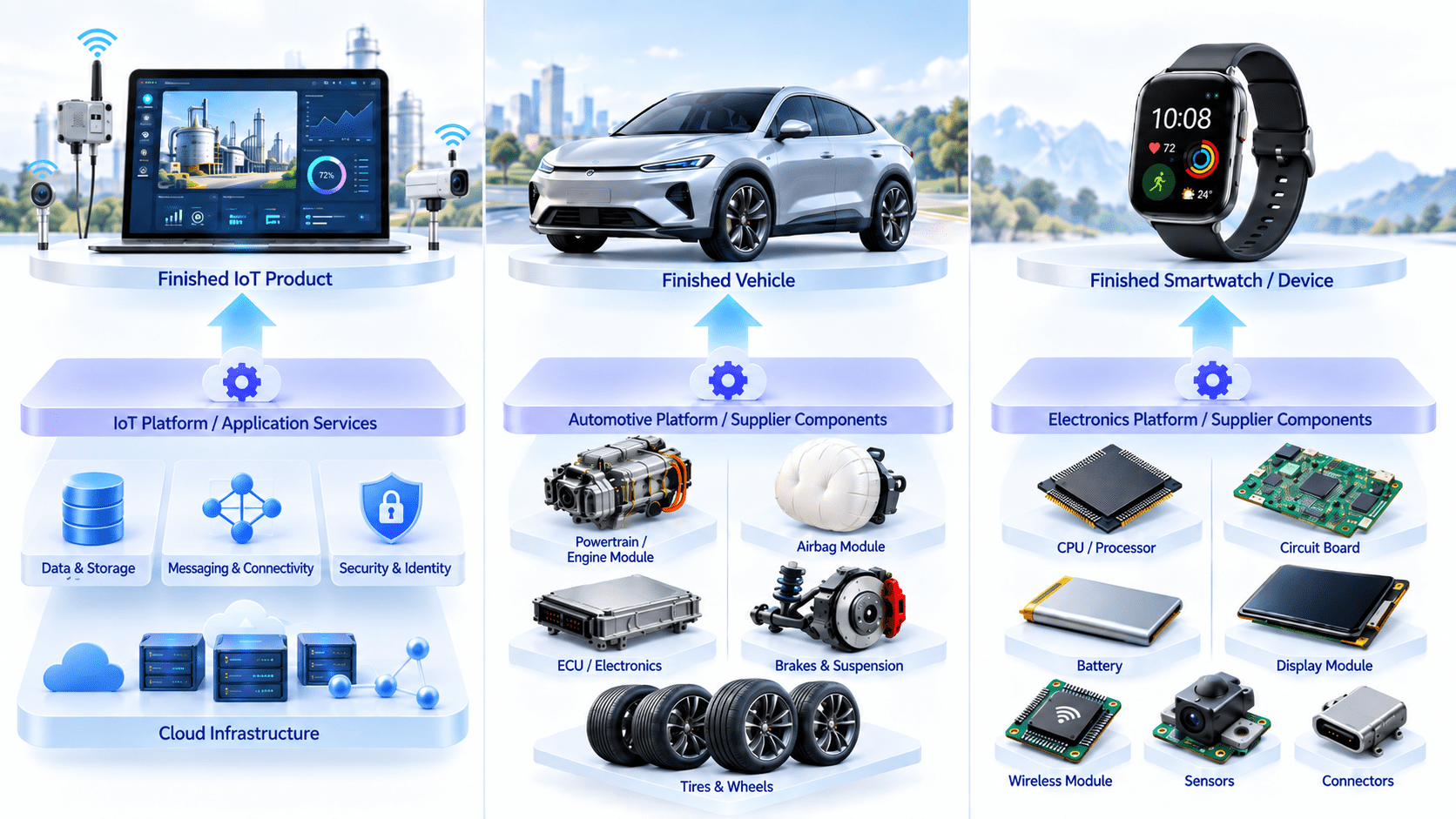
When building an IoT product, the usual question is whether you should build your own IoT platform or buy one. I think that is the wrong way to frame the decision. The better question is: which parts of your technology are actually your product, and which parts are infrastructure that somebody else has already spent…
Posted on
by
-
Why IoT Products Fail and How to Avoid Common Pitfalls

Why do IoT products fail after a successful prototype? Often, the challenge is no longer connecting devices—it is scaling the architecture, managing customer-specific requirements, controlling costs, and maintaining the product over time. We set out to build a taxonomy of IoT product failures based on what we have seen through our partners and the wider…
Posted on
by
-
Low Coding vs Vibe Coding vs AI-assisted Low Coding
I’m getting rather used to hearing that vibe code will completely deprecate the low/no code approach that is gradually becoming a standard even for mission critical high-load apps. And indeed, if I can take a mic and just explain how my product should work, why delve into anything more complicated than that? However, it turns…
Posted on
by
-
Avoiding the Chaos: How Do IIoT Platforms Constrain AI Agents within Critical Infrastructures
Iotellect has always meant “intellect for IoT”. Only the recent evolution of AI, however, is revealing what that idea may ultimately mean for industrial systems. AI agents are rapidly assuming important roles at both ends of the IoT application lifecycle: engineering applications and autonomously operating live infrastructure. This turning point dramatically changes the role of…
Posted on
by